

g: Combining Therapy, Wellness, and Lifestyle in Addiction Recovery
Introduction
Addiction recovery is often misunderstood as a simple matter of willpower or detoxification. While medical treatment and therapy are essential, they are not enough to ensure long-term sobriety. True recovery requires healing on multiple levels—physical, mental, emotional, and spiritual.
This is where holistic healing comes in. By combining therapy, wellness practices, and lifestyle changes, holistic rehab programs help individuals transform their lives rather than just quit substances. This blog explores how holistic healing works and why it is becoming the preferred approach to addiction recovery worldwide, including in India.
What Is Holistic Healing in Addiction Recovery?
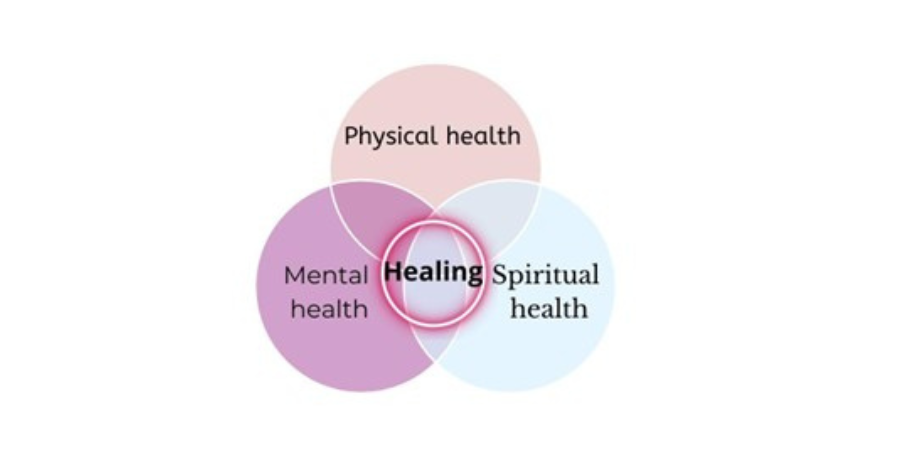
Holistic healing is an integrated approach that treats the whole person rather than focusing only on symptoms of addiction. Instead of just managing withdrawal, it aims to:
- Heal the body through nutrition, fitness, and medical support.
- Calm the mind with therapy, mindfulness, and stress management.
- Restore the spirit through meditation, yoga, and meaningful activities.
The ultimate goal is not just abstinence but a balanced, fulfilling lifestyle that minimizes the chances of relapse.
Why Traditional Approaches Often Fall Short
Focus Only on Detox
Many conventional rehab centers prioritize detox and clinical treatment but fail to address underlying emotional and lifestyle issues. This leaves patients vulnerable once they leave.
Neglect of Emotional and Spiritual Needs
Addiction is often rooted in trauma, stress, or emotional imbalance. Ignoring these aspects creates an incomplete recovery path.
Lack of Lifestyle Integration
Unless individuals learn to rebuild healthy habits, it’s easy to fall back into old patterns. A holistic approach ensures recovery becomes a way of life, not just a temporary phase.
The Three Pillars of Holistic Healing
1. Therapy: Healing the Mind
Therapy is the backbone of recovery, but holistic healing expands it beyond traditional counseling.
- One-on-One Counseling: Helps uncover the root causes of addiction, such as trauma, anxiety, or depression.
- Cognitive Behavioral Therapy (CBT): Rewires negative thought patterns and builds healthier responses to triggers.
- Group Therapy: Builds connection and reduces isolation.
- Family Therapy: Repairs broken relationships and strengthens support systems.
By addressing mental health holistically, individuals gain tools to handle stress, cravings, and life challenges.
2. Wellness: Healing the Body and Spirit
Addiction often damages the body and disrupts emotional balance. Wellness practices restore vitality and inner calm.
- Yoga and Meditation: Enhance mindfulness, reduce anxiety, and strengthen self-control.
- Nutrition Therapy: Custom diets replenish lost nutrients and boost physical recovery.
- Fitness Programs: Exercise releases endorphins, improves mood, and restores confidence.
- Alternative Therapies: Ayurveda, acupuncture, or massage therapy complement recovery by balancing energy and reducing stress.
- Creative Arts Therapy: Music, painting, or writing help process emotions that words cannot.
3. Lifestyle: Building Sustainable Habits
Long-term recovery depends on the lifestyle choices individuals make after rehab. Holistic healing emphasizes:
- Sleep hygiene for consistent rest and renewal.
- Work-life balance to reduce stress.
- Hobbies and passions to replace addictive behaviors with healthy fulfillment.
- Community involvement to create a sense of purpose and belonging.
By aligning daily habits with wellness and therapy, individuals rebuild life in a way that supports sobriety.
A Day in a Holistic Rehab Program
A typical day in a holistic rehab center might look like this:
- Morning: Sunrise yoga and guided meditation, followed by a healthy breakfast.
- Mid-Morning: Individual therapy session focused on coping skills.
- Afternoon: Nutritional lunch, art therapy, or fitness training.
- Evening: Group therapy, mindfulness workshops, or nature walks.
- Night: Wholesome dinner, journaling, and relaxation exercises before bed.
This balance of therapy, wellness, and lifestyle-building ensures recovery feels restorative, not restrictive.
Benefits of Holistic Healing in Recovery
Treats the Root Causes
Holistic recovery doesn’t just stop substance use—it addresses the underlying reasons behind it, whether emotional pain, mental health issues, or lifestyle stressors.
Reduces Relapse Risk
By teaching coping skills, mindfulness, and healthier lifestyle habits, holistic programs create a stronger foundation for long-term sobriety.
Improves Quality of Life
Instead of just removing substances, holistic healing adds joy, purpose, and self-awareness—making sobriety something to embrace, not endure.
Restores Relationships
Family involvement and emotional healing rebuild trust and connection with loved ones.
Enhances Self-Worth
Luxury and holistic rehab environments remind clients that they are worthy of dignity, comfort, and happiness.
How Luxury Rehabs in India Integrate Holistic Healing
India, with its rich traditions of Ayurveda, yoga, and meditation, is uniquely positioned to offer world-class holistic rehab programs. Luxury rehab centers like Sanchit Luxury Rehab blend:
- Modern psychiatric therapy with ancient Indian wellness practices.
- Resort-like environments that reduce stigma and promote dignity.
- Personalized recovery plans that adapt to individual needs.
This unique integration makes India a global hub for holistic addiction recovery.
Breaking the Stigma with Holistic Recovery
One of the biggest barriers to rehab is stigma—the belief that seeking help is a weakness. Holistic healing challenges this by showing recovery as a journey of self-discovery, empowerment, and strength.
When rehab feels like a wellness retreat instead of a punishment, more people are encouraged to take the step.
Real-Life Transformations Through Holistic Healing
Clients who embrace holistic recovery often describe it as life-changing. Instead of merely quitting substances, they:
- Reconnect with passions they had lost.
- Build healthier relationships.
- Discover inner peace through mindfulness.
- Create sustainable lifestyles that keep them strong even after leaving rehab.
One client shared:
“Holistic healing at rehab didn’t just help me stop drinking—it gave me back my confidence, my health, and my purpose in life.”
Challenges in Implementing Holistic Healing
- Accessibility: Luxury and holistic programs can be costly, limiting access for many.
- Awareness: Some still view rehab as purely medical, not realizing the benefits of holistic healing.
- Consistency: For long-term results, individuals must continue wellness and lifestyle practices even after leaving rehab.
Despite these challenges, holistic healing is rapidly gaining recognition as the most effective recovery model.
Conclusion
Addiction is not just a physical dependency—it is a condition that affects every aspect of a person’s life. That’s why recovery requires more than detox or medication.
Holistic healing, which combines therapy, wellness, and lifestyle changes, offers a complete path to recovery. It helps individuals heal the root causes of addiction, rediscover balance, and build a new life filled with meaning and strength.
Luxury rehab centers, especially in India, are at the forefront of this approach—blending modern science with traditional wisdom to create transformative recovery journeys.
Holistic healing is not just about leaving addiction behind—it’s about stepping into a healthier, more fulfilling future.